Plenty of garage door care is easy to do yourself. A few repairs, though, involve parts under enough tension to cause serious injury. Here is how to tell the difference before you reach for a wrench.
Safe for most homeowners
- Lubricating hinges, rollers, bearings and springs
- Cleaning the tracks and photo-eye sensor lenses
- Re-aligning the safety sensors
- Replacing remote and keypad batteries, and re-pairing remotes
- Tightening hinge and track bracket bolts (not the bottom brackets)
- Replacing side and top weatherstripping
- Monthly balance and auto-reverse tests
Leave these to a technician
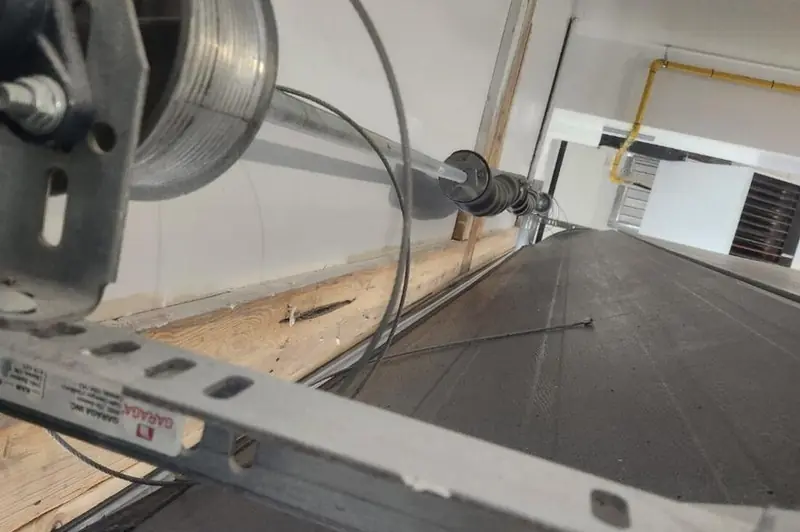
- Torsion or extension springs: wound under extreme tension.
- Lift cables and bottom brackets: they hold the spring's tension.
- Off-track doors: the door can fall while you work on it.
- Bent or damaged sections: removing one can unbalance the whole door.
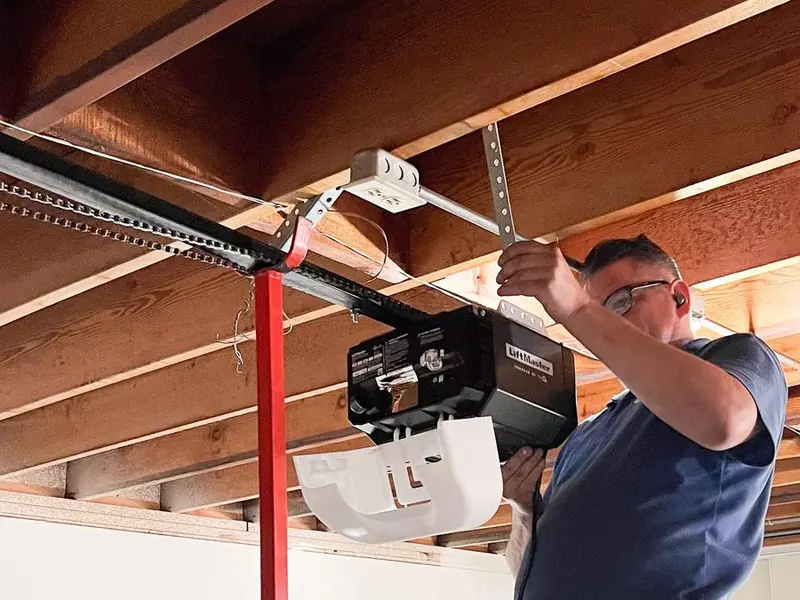
- Opener force and limit settings: set wrong, the door may not reverse on an obstacle.
- Re-hanging or installing a door: springs must be sized to the door's weight.
Why spring and cable jobs go wrong
Most garage door injuries happen during DIY spring and cable work: a winding bar slips, a set screw lets go, or a cable is released while the spring is still loaded. Online videos skip the parts that matter — the correct spring size for your door, the number of turns, and how to safely unload a broken spring. A wrong spring also makes the door heavy or lets it fly up, and wears out the opener.
Not sure what's wrong?
Try our garage door troubleshooter to narrow down the cause, or send us a photo for a quote. If the door is stuck, crooked or making a new noise, stop using it and call.
Professional repair across the GTA
DPS technicians carry springs, cables, rollers and opener parts on the truck, so most repairs are done on the first visit. You get a written quote before work starts. See our spring repair and cable repair pages for details.