GTA winters don't usually stay at one temperature for long. It's the swings — slush in the afternoon, a hard freeze overnight — that cause most winter garage door calls. Here are the usual causes and what you can safely check.
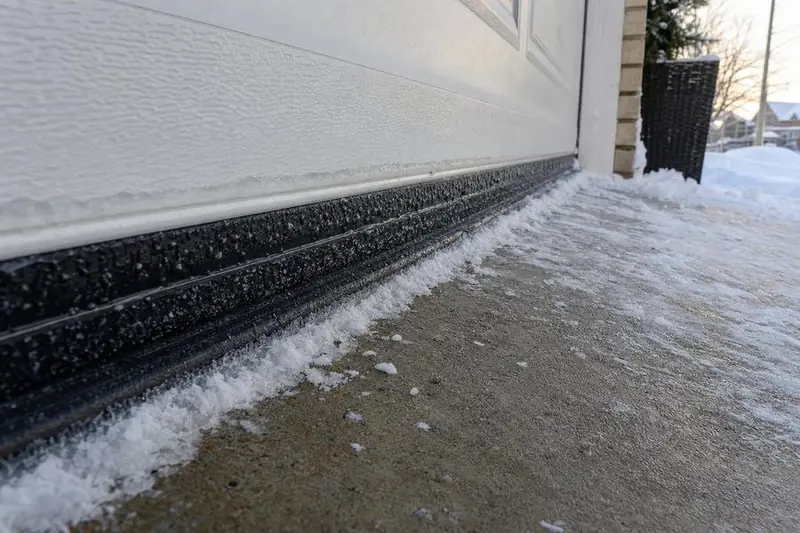
Door frozen to the floor
Slush melts off the car, runs under the door and freezes the bottom seal to the concrete. If the opener hums or strains, stop pressing the button — you can tear the seal or damage the opener. Gently free the seal with a plastic scraper or warm (not boiling) water, then dry the area. Keeping the floor clear and replacing a worn seal prevents it.
Stiff hardware and thick grease
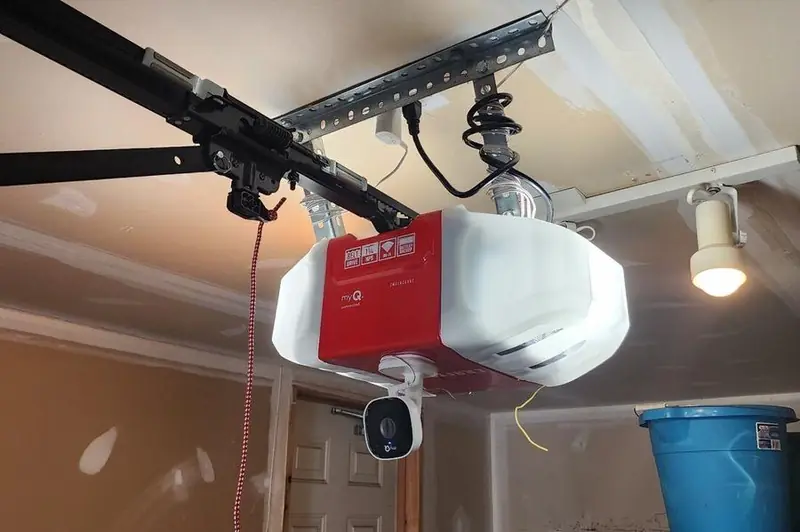
Old grease thickens in the cold and makes the door feel heavy, so the opener may stop or reverse partway. A silicone or lithium spray on hinges, rollers and bearings helps. Never raise the opener's force setting to push through — that disables an important safety margin.
Sensors acting up
Frost, condensation and road grime on the photo-eye lenses can make the door refuse to close or the light flash. Wipe both lenses and check they're still lined up — a bump from a shovel or snow blower is enough to knock them out.
Remote or keypad not responding
Batteries lose power faster in the cold, especially in an outdoor keypad or a remote left in a cold car. Swap the battery before assuming the opener has failed.
Springs snapping on cold mornings
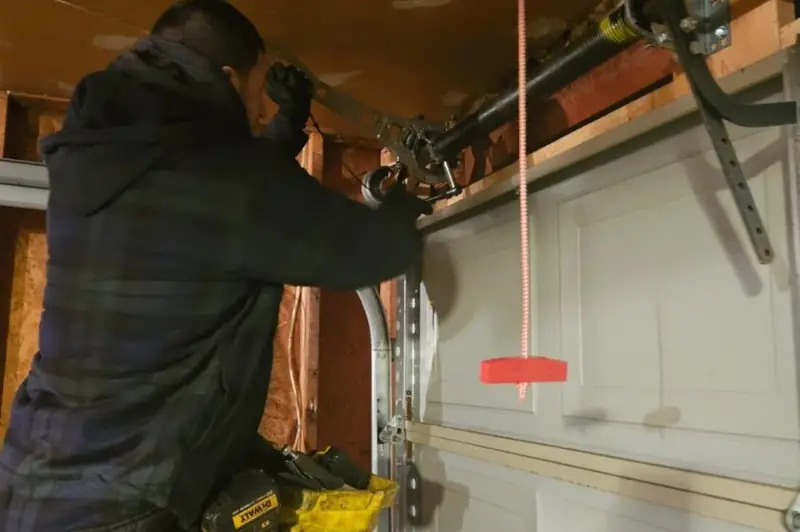
A spring near the end of its life is more likely to break during a cold snap. If you heard a bang or the door only lifts a few inches, the spring has probably broken. Don't keep trying the opener — see our garage door spring repair page.
Prevent it before the next freeze
- Lubricate moving parts in the fall
- Replace a cracked bottom seal
- Sweep slush and salt out of the garage regularly
- Keep remote and keypad batteries fresh
- Book a tune-up to check springs, cables and balance
Our winter maintenance guide has the full checklist. If the door is stuck with your car inside, call DPS at (647) 771-7139 for same-day emergency repair.