Cold GTA winters are hard on garage doors — grease stiffens, metal contracts and springs work harder. A little maintenance in the fall prevents an emergency call in January.
1. Lubricate the moving parts
Use a garage-door-specific silicone or lithium spray (not WD-40, which is a cleaner) on the hinges, steel rollers, spring coils and bearing plates. Don't grease the tracks — grease collects grit and makes rollers skid. Nylon rollers need very little lubricant.
2. Inspect and tighten hardware
- Tighten hinge and roller bracket bolts that vibrate loose over the year
- Check rollers for cracks, flat spots or wobbling
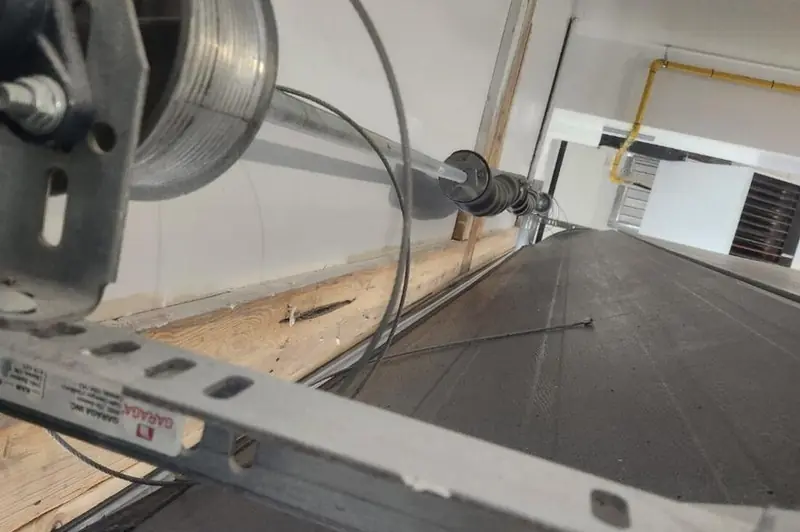
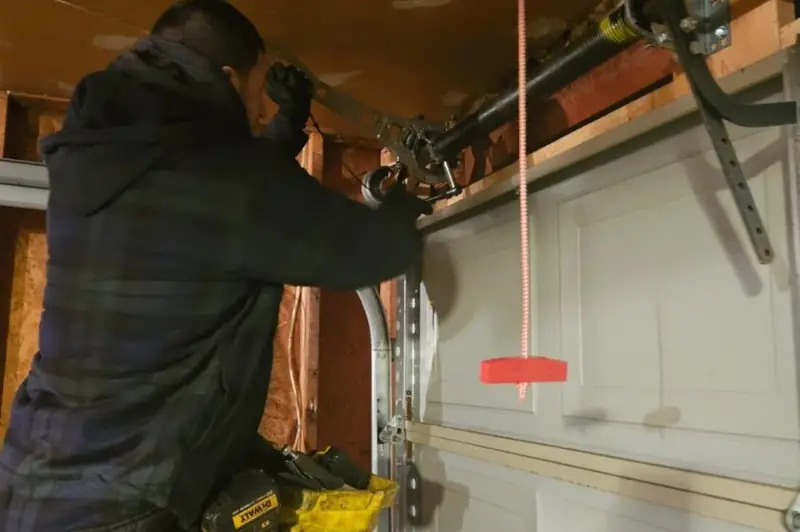
- Look for frayed lift cables at the bottom corners — never touch the bottom bracket yourself, it's under spring tension
- Check the springs for rust or a gap in the coils
3. Replace a cracked bottom seal
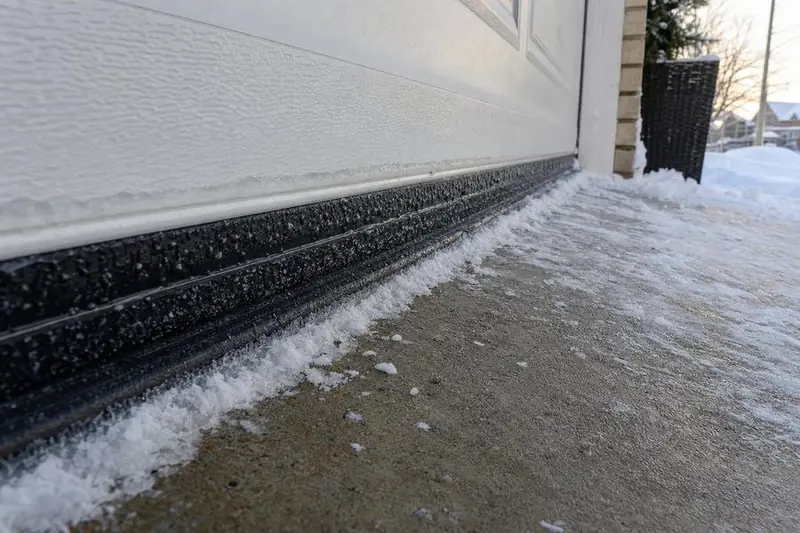
A worn bottom rubber lets in snow and slush, and once water gets under the door it can freeze the door to the floor overnight. Look along the bottom from inside the garage in daylight — if you see light, the seal needs replacing. Our weather seal guide explains the different types.
4. Clear the floor and the tracks
Keep the door's landing area free of ice and salt build-up from your car. A door closing on a chunk of ice can come off level, bend the bottom section or trigger the auto-reverse. Sweep slush out of the garage regularly during the winter.
5. Test the balance and auto-reverse
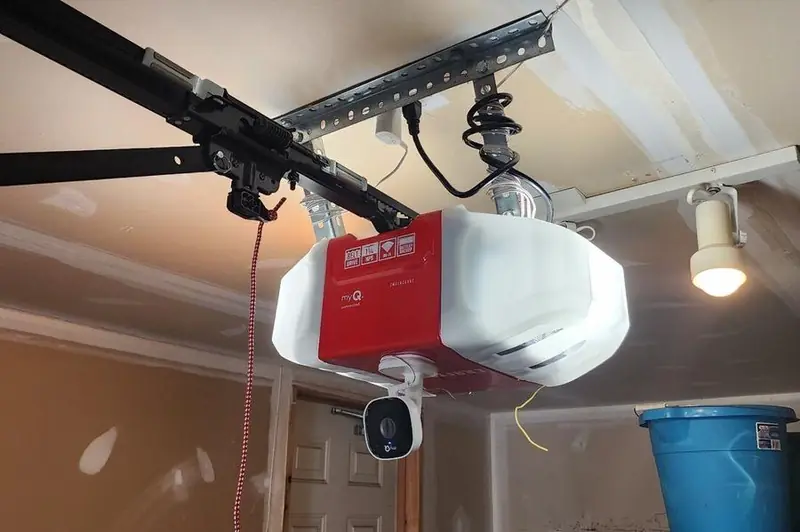
Pull the red release cord with the door closed and lift the door halfway by hand — it should stay put. If it drops or shoots up, the springs need adjustment by a technician. Reconnect the opener, then place a piece of wood flat where the door closes; the door should reverse when it touches it. Also check that the photo-eye sensors are clean and lined up.
6. Adjust the opener for cold weather
Cold makes doors stiffer and heavier to move, so an opener that's set too sensitive may stop and reverse for no reason in January. Force and travel settings should be adjusted by someone who knows the opener model — setting force too high is a safety risk.
Book a professional tune-up
A yearly tune-up catches worn springs, cables and rollers before they fail on the coldest morning of the year. DPS tune-ups across the GTA include lubrication, balancing, hardware tightening, cable and spring inspection, opener safety testing and seal replacement if needed. If something has already failed, see our garage door repair Toronto & GTA services.
Frequently Asked Questions
What is the best lubricant for a garage door in winter?
A silicone or lithium spray made for garage doors. It stays effective in the cold and doesn't collect as much dirt as grease.
Why does my garage door stop and reverse in the cold?
Stiff hardware, a door frozen to the floor, or dirty sensors are the usual causes. Don't raise the opener force yourself — have it checked.
When should I winterize my garage door?
Late October to early November, before the first hard freeze, is ideal in the GTA.
Do you offer garage door tune-ups in the GTA?
Yes. Call (647) 771-7139 to book a tune-up anywhere across Toronto and the GTA.